1. Survey the space
The crew checks the whole property, including closets, vehicles, sheds and bathrooms where items may be tucked away.
Toulon, IL · Stark County
Do not clean up drug items alone. In Toulon, call (877) 812-4220 and a cleanup team can handle syringes, bags, foil and powders with protective gear, then disinfect the affected area.
If anyone is in danger, call 911 first. For a suicide crisis, call or text 988.
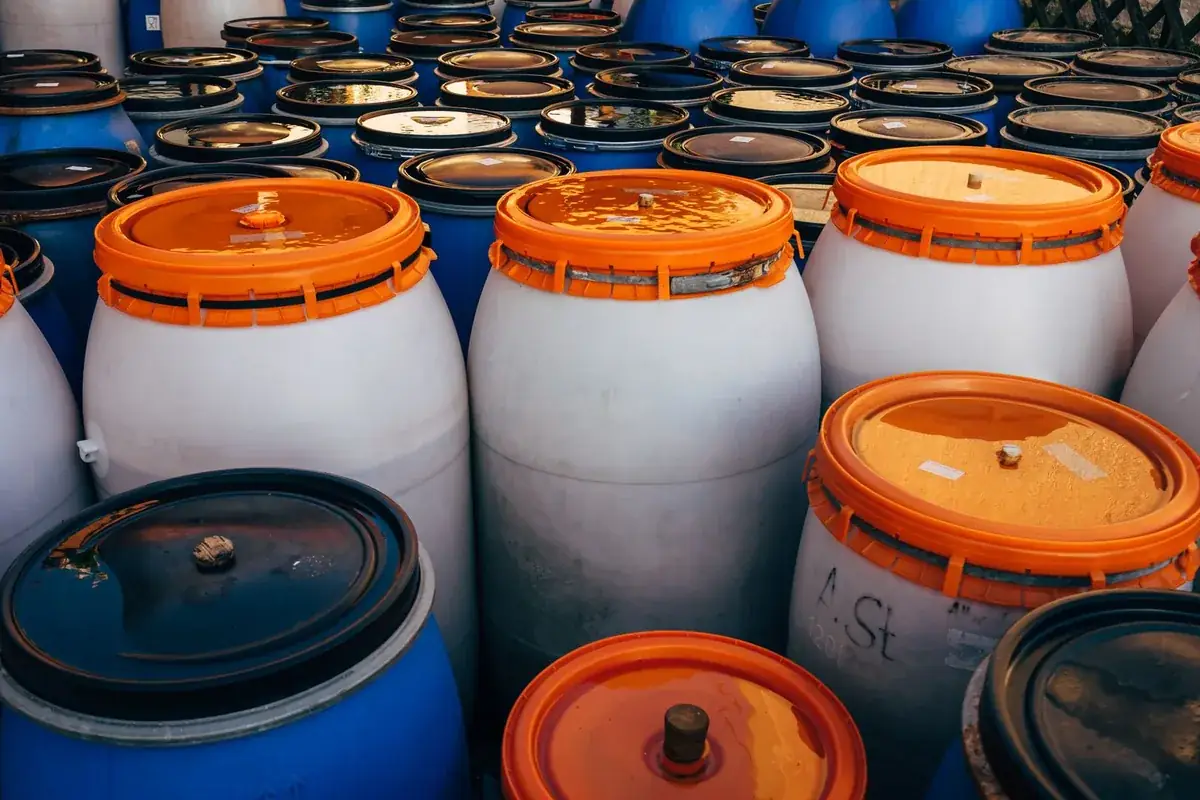
Drug paraphernalia cleanup is the safe removal of used syringes, pipes, bags, foil and other items left behind from drug use. Cleanup crews also clean and disinfect surfaces where residue may remain.
If you are unsure whether your space in Toulon needs cleaning, you can talk with Toulon Biohazard Cleanup Help about it in Stark County. The team helps sort out what is paraphernalia cleanup and what may call for more testing.
A vacancy rate near 11% in Stark County means more empty houses and lots, which are common places for discarded items to be found. Tell the doctor where the exposure happened. Osf Saint Luke Medical Center, about 12 miles from Toulon, can evaluate people who may have been exposed.
What drug paraphernalia cleanup covers:
The crew checks the whole property, including closets, vehicles, sheds and bathrooms where items may be tucked away.
The team looks over the rooms and decides which items, surfaces and materials need attention.
Paraphernalia goes into sealed containers, and hard surfaces are cleaned with EPA-registered products.
A last pass checks for missed items, and the owner receives guidance on next steps.
The cost of drug paraphernalia cleanup in Toulon, IL depends on the amount of material, how it is packed and how it is hauled.
How many items and sharps are present changes the scope, because each needle has to be found, lifted and sealed.
| Type of job | Typical range |
|---|
Estimates only, not a quote. Sources: . Price drivers include amount of material, whether residue is present, surfaces affected, waste disposal. Call (877) 812-4220 to talk through the job.
Crews wear protective gear, remove sharps and loose items, and then clean hard surfaces with EPA-registered disinfectants. Porous materials such as carpet, padding or upholstery that took in residue may be removed. The team can explain what applies to your space.
Vehicles can hold syringes, residue and odor in seats, carpets and vents. Ask whether the team cleans vehicles and how soft materials are treated. Crews use the same protective gear and sealed containers as in a building.
A careful cleanup removes the items and cleans the surfaces it covers. Testing is a separate step, and rules vary by place. Ask the team what it did and did not check, and ask the local health department what applies where you live.
It is safer not to. You often cannot tell what an item or residue is, and hidden sharps are a risk. Do not mix cleaning products. A cleanup team has the protective gear and containers to do it safely, without judgment.
In many cases the person who calls does not need to be at the property. Ask the team how access and keys can be arranged. If you are out of town, say so when you call. Many teams can arrive in an unmarked vehicle.
Standard paraphernalia cleanup is about removal, cleaning and disinfection. Testing is a separate step, usually tied to a site where drugs were made. Ask the team and the local health department what testing, if any, applies to your property.
Describe what you found and ask how removal and cleaning would work.
Call (877) 812-4220